

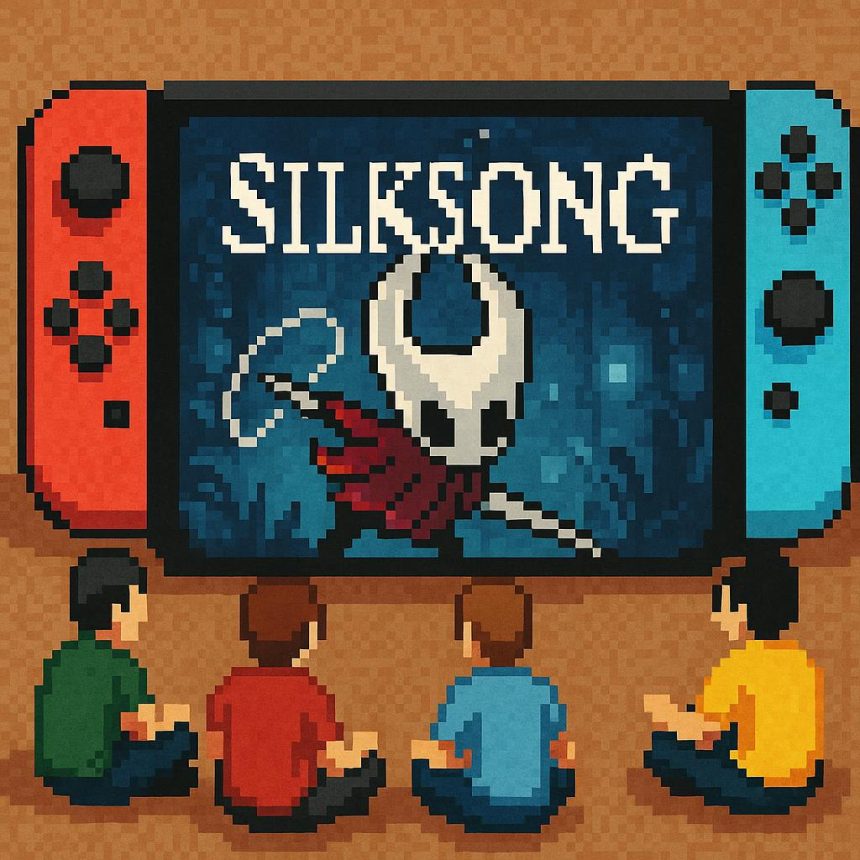
Silksong’s Moment: Unpacking 42 Player Perspectives on the Highly Anticipated Sequel
After an monumental 8.5-year development cycle, the gaming world has finally received Silksong, the long-awaited follow-up to the critically acclaimed indie classic, Hollow Knight. The internet, a buzzing hive of anticipation and fervent discussion, has erupted with opinions. From the depths of forums to the peaks of social media, we’ve gathered and analyzed 42 distinct player perspectives, revealing a landscape of reactions as rich and complex as the game’s own intricate world. One undeniable truth echoes through every comment: Silksong is anything but forgettable.
The Great Divide: Masterpiece or Merciless Ordeal?
The initial wave of player feedback immediately carved a clear dichotomy: those who hail Silksong as an unparalleled masterpiece, and those who find its challenge brutally unforgiving. This division isn’t surprising, given the legacy of its predecessor and the immense expectations built over nearly a decade.
The Advocates for Brilliance
Many players are quick to laud Silksong for its masterful evolution of the Metroidvania formula. Praises often center on its:
- Expanded Movement and Combat: Hornet’s agility and new silk-based abilities are frequently cited as revolutionary, offering a fresh, dynamic combat experience that feels both familiar and entirely new.
- Stunning World Design: Pharloom, the new kingdom, is described as breathtakingly beautiful and meticulously crafted, brimming with secrets, diverse biomes, and an atmospheric depth that rivals Hallownest.
- Rich Lore and Narrative: Fans appreciate the deeper dive into Hornet’s story and the new characters, praising Team Cherry’s subtle storytelling and world-building prowess.
- Enhanced Quality of Life: Subtle improvements in UI, map navigation, and other mechanics have not gone unnoticed, contributing to a smoother, more engaging experience for many.
The Voices of Challenge
Conversely, a significant portion of players describe their journey through Pharloom as a trial by fire. The “brutally challenging” label often stems from:
- Unforgiving Difficulty Spikes: Some areas and boss encounters are reported to have steep difficulty curves, demanding pixel-perfect precision and extensive pattern memorization.
- Complex New Mechanics: While praised by some, the new systems and abilities can feel overwhelming for others, requiring a substantial time investment to master.
- Steep Learning Curve: Even seasoned Metroidvania players admit to a significant adjustment period, finding Hornet’s playstyle and enemy patterns a considerable hurdle.
- Frustration with Progression: For a minority, the difficulty occasionally borders on frustrating, potentially hindering their enjoyment of exploration and narrative.
Beyond the Binary: What Makes It Unforgettable?
Despite the differing experiences, almost all 42 perspectives converge on one point: Silksong leaves an indelible mark. This “unforgettable” quality often stems from its:
- Unparalleled Art Style: The hand-drawn aesthetic remains a standout, evolving with new vibrant palettes and intricate designs.
- Haunting Musical Score: Christopher Larkin’s compositions are, once again, highlighted as a critical element, elevating every triumph and despair.
- Atmospheric Immersion: Regardless of difficulty, the world of Pharloom is universally praised for its ability to draw players in, creating a powerful sense of wonder and danger.
- Sheer Sense of Accomplishment: For those who overcome its challenges, the victories in Silksong are described as profoundly rewarding, amplifying its memorable impact.
Expert Analysis: The Weight of Expectation and Indie Greatness
The 8.5-year wait for Silksong cast an immense shadow of expectation. Such prolonged anticipation can be a double-edged sword: it generates unprecedented hype but also sets an impossibly high bar. Team Cherry’s challenge was not just to make a good game, but to create a spiritual successor that lived up to the legendary status of Hollow Knight, while also forging its own identity.
Our analysis suggests that Silksong largely succeeds in establishing its own voice, even if it brings a new flavor of challenge. The “masterpiece” claims often come from players who fully embrace the evolution of combat and movement, seeing it as a natural progression rather than a mere iteration. The “brutally challenging” camp, on the other hand, might be grappling with a departure from familiar mechanics or a heightened demand for precision that wasn’t as prevalent in all corners of Hollow Knight.
This dynamic also speaks to the broader trend in indie gaming, where a small team can achieve massive critical and commercial success, then face immense pressure to replicate and surpass it. Silksong’s reception demonstrates that even with near-perfect execution, player experiences will always diverge, shaped by individual skill, preference, and the unique journey each player takes through its intricate world.
The Verdict from the Web’s Corners
From the hardcore speedrunners dissecting every new mechanic to the casual explorers soaking in the atmosphere, the 42 internet voices paint a picture of a game that is undeniably significant. Silksong isn’t just a sequel; it’s a statement. It’s a game that respects its lineage while boldly charting its own course, demanding mastery and rewarding perseverance in equal measure.
It has sparked debates, forged new rivalries against its bosses, and reaffirmed Team Cherry’s place as a premier developer. Whether hailed as a triumphant evolution or a beautiful, punishing gauntlet, Silksong has undoubtedly cemented itself in the annals of gaming history. But as the discussions rage on and players continue their journeys through Pharloom, one must wonder: does a game’s immense challenge ultimately enhance or detract from its long-term legacy?




![Clean Code: Functions and Error Handling in Go: From Chaos to Clarity [Part 1]](https://techtonic.xpansieve.com.ng/wp-content/uploads/2025/10/Clean-Code-Functions-and-Error-Handling-in-Go-From-Chaos-150x150.png)


