

The Unseen Value: Harnessing Surplus Renewable Energy with Bitcoin Mining
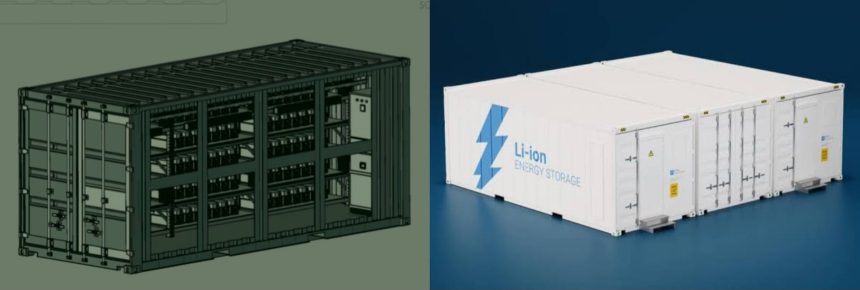
As the global energy landscape rapidly shifts towards renewable sources, a critical challenge emerges: how to effectively manage and monetize the inevitable surpluses of electricity generated by intermittent solar and wind power. While battery storage has long been championed as the solution, a disruptive new contender is proving to be not just an absorber of excess energy, but a significant revenue generator: Bitcoin mining.
The Economic Imperative: A Clear Lead Over Traditional Storage
Recent economic analyses are shedding light on Bitcoin mining’s substantial advantage over traditional battery solutions in utilizing surplus renewable energy. The numbers paint a compelling picture:
- When surplus electricity is valued at $40 per Megawatt-hour (MWh), Bitcoin mining operations are estimated to earn approximately $0.108 per kilowatt-hour (kWh) more than what battery storage solutions would generate from the same surplus.
- Even at a higher surplus electricity valuation of $70 per MWh, Bitcoin mining maintains a notable lead, producing about $0.082 per kWh more in revenue compared to batteries.
These seemingly modest per-kilowatt-hour differentials escalate dramatically when applied to the gigawatts of surplus energy produced by renewable systems worldwide. We are talking about potential daily revenues that could soar into the billions of dollars. This represents an unprecedented opportunity for energy markets to transform what was once a liability—curtailed or wasted energy—into a potent financial asset, significantly boosting balance sheets and supporting market players in their transition to a greener future.
Expert Analysis: Bitcoin Mining as a Grid Balancing Game-Changer
Beyond the raw economics, Bitcoin mining offers unique operational advantages that position it as a strategic asset for grid stability and the broader energy transition:
- Highly Flexible and Interruptible Load: Bitcoin mining facilities are essentially modular data centers that can be powered up or down almost instantly. This ‘responsive load’ capability is invaluable for grid operators, allowing them to rapidly absorb excess generation during periods of high renewable output and just as quickly reduce demand when the grid requires it. This flexibility far surpasses the ramp-up/down times of traditional industrial loads.
- Monetizing Curtailment: Renewable energy projects frequently face curtailment, where generators are paid to reduce output because the grid cannot absorb their full production. Bitcoin miners provide a profitable outlet for this otherwise wasted energy, directly converting underutilized electrons into a globally valuable digital asset.
- Decentralized and Scalable Solution: Mining operations can be deployed quickly and scaled modularly, often co-located directly at the source of renewable generation. This reduces transmission losses, alleviates grid congestion, and bypasses the lengthy permitting and construction times often associated with large-scale battery projects.
- Incentivizing Renewable Investment: By providing a consistent, profitable demand for surplus renewable energy, Bitcoin mining creates an additional revenue stream for renewable developers. This economic incentive can accelerate investment in new solar, wind, and hydroelectric projects, fostering further growth in green energy infrastructure.
While Bitcoin’s energy consumption has been a point of contention, this perspective reframes mining as a crucial component of a dynamic energy ecosystem, transforming what would otherwise be wasted energy into economic value and grid resilience. It’s not about replacing batteries, but offering a robust, economically superior alternative for managing certain types of grid imbalances, particularly those involving abundant, inexpensive renewable power.
A Path to a Greener, More Profitable Future?
The convergence of increasing renewable energy penetration and the innovative flexibility of Bitcoin mining presents a fascinating synergy. As energy grids become more decentralized and reliant on intermittent sources, the demand for agile, profitable load management will only intensify. Bitcoin mining offers a powerful, market-driven solution that could unlock immense value from our green energy ambitions.
Considering the economic and operational benefits, are we witnessing the dawn of a new era where Bitcoin mining isn’t just a digital asset pursuit, but a foundational pillar for balancing and optimizing the global renewable energy grid?




![Clean Code: Functions and Error Handling in Go: From Chaos to Clarity [Part 1]](https://techtonic.xpansieve.com.ng/wp-content/uploads/2025/10/Clean-Code-Functions-and-Error-Handling-in-Go-From-Chaos-150x150.png)


