

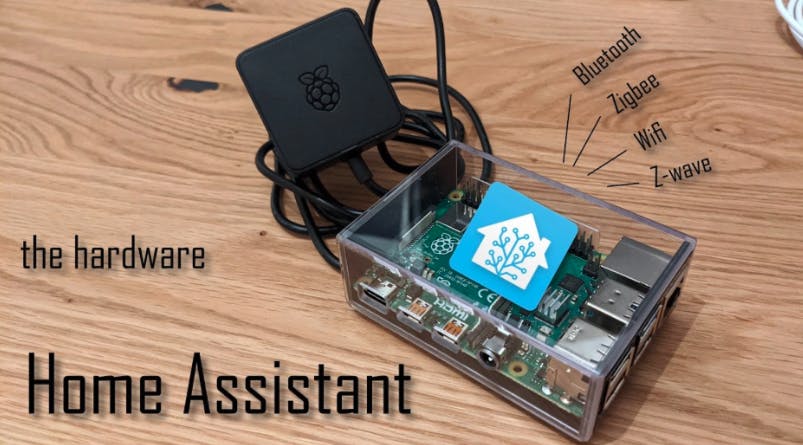
In an era dominated by cloud-dependent smart devices, privacy concerns, potential service outages, and recurring subscription fees have become common pain points for users. While the convenience of smart homes is undeniable, the invisible strings connecting our devices to remote servers often come at a cost. Enter Veera Malisetty, an engineer who has not only recognized these challenges but has engineered a compelling solution: a custom, self-hosted smart home platform that redefines autonomy and resilience in home automation.
Malisetty’s project, ‘From Curiosity to Control,’ is a masterclass in local smart home architecture. Instead of relying on various manufacturers’ proprietary cloud services, which can lead to fragmented ecosystems and data vulnerabilities, he built a unified system from the ground up. His approach leverages powerful open-source software and robust local hardware to create a private, secure, and highly adaptable environment.
The Core Technologies: A Foundation of Control
At the heart of Malisetty’s system lies **Home Assistant**, an open-source home automation platform renowned for its extensive integrations and local control capabilities. Home Assistant acts as the central brain, allowing devices from different brands and protocols to communicate seamlessly under one roof. This eliminates the ‘walled garden’ problem prevalent in many commercial smart home systems.
Powering this sophisticated software is a **Raspberry Pi**, a low-cost, credit-card-sized computer. The Raspberry Pi serves as the dedicated hardware hub, providing a stable and energy-efficient foundation for Home Assistant to run continuously. Its small footprint and minimal power consumption make it an ideal choice for a discreet, always-on home server.
For device communication, Malisetty intelligently adopted **Zigbee and Z-Wave** protocols. These are not merely Wi-Fi alternatives; they are purpose-built mesh networking technologies for smart home devices. Unlike Wi-Fi, which can become congested and is less energy-efficient for small sensors, Zigbee and Z-Wave create robust, self-healing networks where each device can relay signals, extending range and improving reliability. This ensures that commands are executed swiftly and consistently, without taxing the home’s primary Wi-Fi network.
Seamless Integration and Enhanced User Experience
Despite its technical underpinning, Malisetty ensured his system remained user-friendly by integrating it with **Apple HomeKit**. This allows his family to control their smart home devices using familiar Apple interfaces, including voice commands via Siri, the Home app on their iPhones, or even through their Apple Watch. The brilliance here is that HomeKit acts as a convenient front-end, while all the critical processing and data remain local on the Raspberry Pi, never leaving the home network.
Unpacking the Unrivaled Benefits
Malisetty’s self-hosted approach delivers a suite of benefits that address the most critical shortcomings of cloud-dependent smart homes:
- Enhanced Security and Privacy: By keeping all data and processing local, the risk of external data breaches or unauthorized access is dramatically reduced. Personal routines and sensor data never leave the confines of the home, offering unparalleled privacy.
- Uninterrupted Operation (No Outages): Core smart home automations continue to function even if the internet connection goes down. Lights, thermostats, and security sensors remain responsive, ensuring the home stays smart regardless of external network issues.
- Significant Cost Savings: Eliminating reliance on proprietary cloud services means no monthly subscription fees for advanced features. The initial investment in hardware (Raspberry Pi, Zigbee/Z-Wave stick) quickly pays for itself, leading to long-term financial benefits.
- Unparalleled Adaptability and Customization: Home Assistant’s open-source nature allows for deep customization, enabling Veera to craft complex automations tailored precisely to his family’s unique routines and preferences. This goes far beyond the limited options typically offered by off-the-shelf solutions. Want the bedroom lights to slowly brighten with the sunrise, but only on weekdays, and only if a specific family member is home? With Home Assistant, such intricate logic is entirely possible.
Expert Analysis: A Model for the Future
Veera Malisetty’s system is more than just a personal project; it’s a powerful demonstration of what is possible when users reclaim control over their technology. His initiative serves as a blueprint for efficient, resilient, and private home automation, challenging the industry’s default towards cloud-centric models. It highlights the growing trend towards empowering individuals with the tools and knowledge to build personalized, robust, and secure digital environments within their own homes.
This approach fosters innovation, encourages technical literacy, and provides a compelling answer to the legitimate concerns about data privacy and vendor lock-in that plague the modern IoT landscape. As smart home technology becomes increasingly integrated into our daily lives, Malisetty’s model offers a pathway to a more secure, reliable, and user-centric future.
Could Veera Malisetty’s pioneering spirit spark a broader movement towards truly private and self-reliant smart homes, fundamentally reshaping how we interact with our connected living spaces?




![Clean Code: Functions and Error Handling in Go: From Chaos to Clarity [Part 1]](https://techtonic.xpansieve.com.ng/wp-content/uploads/2025/10/Clean-Code-Functions-and-Error-Handling-in-Go-From-Chaos-150x150.png)


